If you’re returning to education or exploring new career options, you may have come across terms like “Level 1“, “Level 2 certificate“, or “RQF qualifications“. But what do these qualification levels (UK) actually mean?
The UK uses a system called the Regulated Qualifications Framework (RQF) to categorise learning levels. This helps employers, training providers and learners understand how qualifications compare, from basic entry-level courses to advanced degrees.
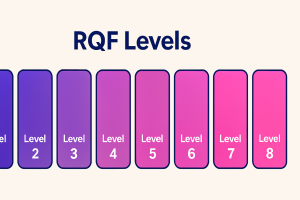
There are 9 levels in total, from Entry Level through to Level 8 (which is equivalent to a PhD). Most funded courses for adults in England are at Level 2, because this level supports foundational knowledge, employability skills, and progression to higher learning.
Table of Contents
Why Qualification Levels Matter for Adult Learners
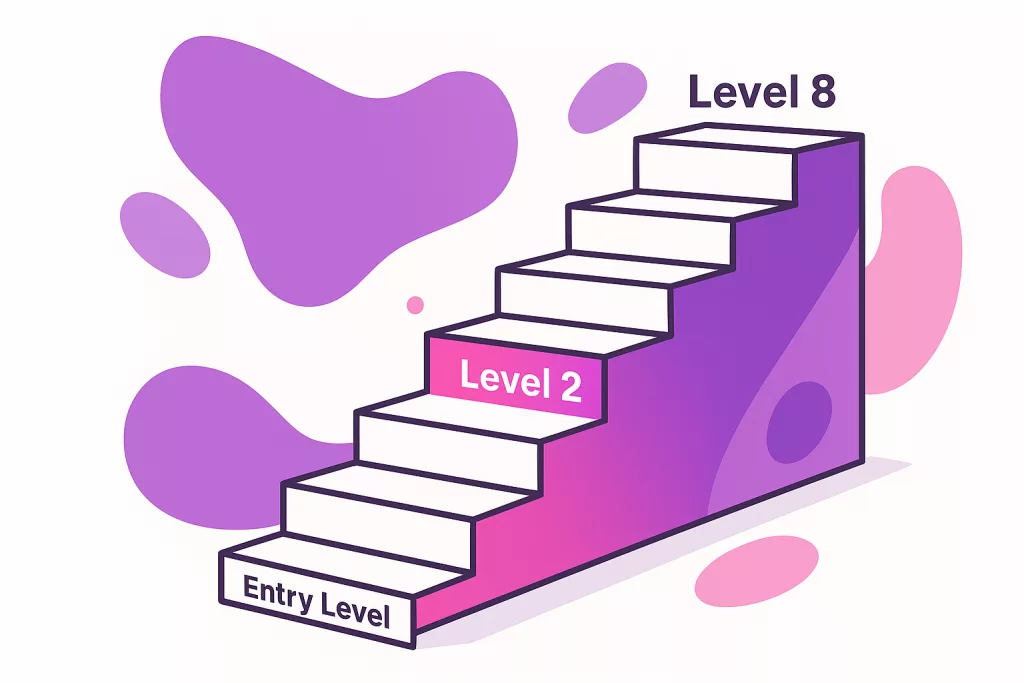
Qualification levels UK-wide act as a map for your personal and professional development. Knowing your current level helps you:
- Choose the right funded course
- Set realistic goals
- Plan your next steps
How Qualification Levels Affect Your Career Progression
Most entry-level jobs require a Level 2 qualification. These courses give you job-ready skills, open doors to apprenticeships and further training, and often meet employer requirements for basic professional competencies.
Why Most Funded Courses Are at Level 2
Because they are essential for employability, many government funded courses are designed around Level 2 certificates. They cover practical subjects like customer service, digital marketing, mental health, and business administration.

Level 2 Certificate in Principles of Business Administration
What Is a Level 2 Certificate?

A Level 2 certificate is a nationally recognised qualification equivalent to a General Certificate of Secondary Education (GCSE) pass grade (9–4 or A* to C under the old system). It typically takes 12–16 weeks to complete part-time and focuses on a specific vocational skill set.
Level 2 vs Level 1: Key Differences
- Level 1 is basic and introductory, often suited for learners new to the subject.
- Level 2 assumes some foundational skills and builds job-ready competencies.
For example, while a Level 1 course might introduce basic business concepts, a Level 2 course will cover managing tasks, customer relations and working in business environments.
What Can You Do with a Level 2 Qualification?
- Meet requirements for job applications
- Progress to a Level 3 qualification
- Apply for apprenticeships
- Change careers or re-enter the workforce
What Level Am I At Now?
Many adult learners wonder where they fit into the RQF.
How to Self-Assess Based on Past Education or Experience
- If you have GCSEs (A*-C or 9–4), you likely have a Level 2 background
- If you’ve worked in a role but never earned a formal qualification, a Level 2 course could formalise your experience
- If you’re brand new to a topic, you may want to start with Entry Level or Level 1
Entry Points for Adults Returning to Education
Level 2 is often the perfect starting point. It’s flexible, employer-recognised, and accessible with no prior qualifications in the subject.

How Funded Courses Align with Qualification Levels
The Adult Education Budget (AEB) funds thousands of places for adults to study Level 2 qualifications for free.
The Role of the Adult Education Budget (AEB)
The AEB is a government funding stream that covers tuition fees for learners aged 19+ living in England. Most fully funded courses are at Level 2 because they build essential skills for work and further learning.
Why Most Free Courses Are at Level 2
Level 2 courses strike the balance between accessibility and impact. They help learners build confidence, transition careers, and qualify for more advanced study.
Examples of Level 2 subjects funded through AEB:

Level 2 Certificate in Digital Marketing
How to Access a Funded Level 2 Course
Eligibility Criteria for Funded Courses
To access a funded course at Level 2, you must:
- Be aged 19 or older as of 31 August of the current academic year
- Live in England
- Have settled, pre-settled or equivalent status
- Not already hold the same qualification at Level 2 in the subject
Application Steps and What Documents You’ll Need
- Choose your course at My Free Course
- Complete the eligibility checker
- Submit ID and proof of address
- Enrol and begin learning online
Courses are designed to fit around your life, with flexible study options and full tutor support.
Progression Pathways After Level 2
Completing a Level 2 certificate is often just the beginning.
From Level 2 to Level 3 and Beyond
- Level 3 qualifications include Access to Higher Education Diplomas, A-Levels or advanced vocational certificates
- Level 3 can qualify you for higher apprenticeships or university-level study
What Comes Next for Your Learning Journey?
With a Level 2 qualification under your belt, you can explore more specialist or managerial training. The progression is clear, and with continued funding support, your next step doesn’t need to cost you a penny.
Found this helpful? There’s so much more to discover. Below, you’ll find more guides and tips designed to support your learning goals and give you even greater clarity as you explore new opportunities.



Disclaimer: This content is for informational purposes only and does not constitute formal advice. Course availability, funding criteria and eligibility requirements are subject to change. Please visit MyFreeCourse.co.uk or contact us directly for the most up-to-date information. [email protected].
MyFreeCourse.co.uk offers practical guidance, nationally recognised qualifications, and friendly support every step of the way.
Frequently Asked Questions
1. What are qualification levels UK learners should know about?
The RQF includes Entry Level to Level 8, helping you see how learning builds from basic to advanced. Most adult learners begin at Level 2.
2. What is a Level 2 certificate equivalent to?
It’s roughly equivalent to 5 GCSEs (A*-C or 9–4). It shows you have intermediate skills suitable for most entry-level jobs.
3. Are Level 2 funded courses really free?
Yes, if you meet the AEB eligibility requirements, your course is fully funded.
4. Can I do more than one funded Level 2 course?
You can take multiple courses over time, but only one fully funded course in each subject per funding year.
5. What happens after I complete a Level 2 qualification?
You can apply for Level 3 courses, apprenticeships or specialised training aligned with your career goals.