When applying for a funded course in England, including popular level 2 courses, one of the first and most important requirements is proving your identity. Valid identification documents not only verify who you are but also confirm your eligibility based on residency, age, and other criteria. Providing the right ID ensures your application is accepted smoothly without delays or rejection.
This comprehensive guide will walk you through what counts as a valid ID, the documents typically required for different types of courses, common issues learners face with ID documents, and advice for applying confidently to a government funded course.
Table of Contents
Why Valid ID Is Essential for Government Funded Course Applications
Applying for any government funded education or training programs in England requires strict eligibility checks, including proof of identity. These checks help maintain the integrity of the funding system by ensuring only those eligible receive financial support.
Valid ID documents confirm:
- Your identity: Confirming that the applicant is who they say they are.
- Residency status: Many government funded courses require applicants to be residents of England.
- Age requirements: Some courses, including many level 2 courses, have age restrictions, such as being 19 or over.
- Other eligibility factors: For instance, proof of receiving benefits or employment status may be linked to whether you qualify for a fully funded course.
Without acceptable IDs, training providers cannot process your application, no matter how well you meet all other criteria.
What Types of Documents Count as Valid ID?
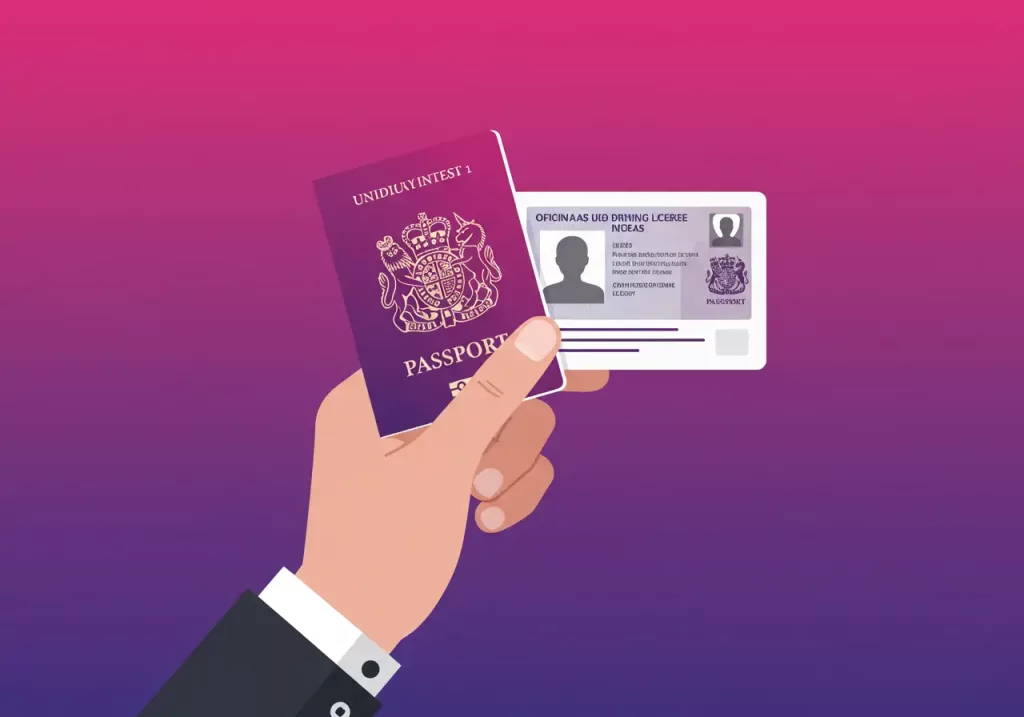
Different providers may have slightly different rules, but the most commonly accepted IDs for government funded courses in England include the following:
Passports
A current UK passport or an EU passport is widely accepted. It verifies your identity, nationality, and usually your residency status if it includes a residence permit stamp. For example, if you are an EU citizen living in England, your passport plus proof of settled or pre-settled status may be required.
Driving License
A full or provisional UK driving license is typically accepted. It includes your photo, address, and birth date, which makes it a valid form of ID and proof of residency.
Birth Certificate
While a birth certificate alone is not always sufficient as photo ID, it is often accepted when combined with other proof of residency like utility bills or official government correspondence.
Residence Permits or Biometric Residence Cards
Non-UK or non-EU nationals will generally need to provide evidence of their right to live and study in the UK. This often comes in the form of residence permits or biometric residence cards issued to lawful residents.
National ID Cards
European nationals can use their country’s national ID card paired with proof of UK address or residency to meet identification requirements.
Other Accepted Documents (Varies by Provider)
Some providers may accept other forms of ID such as:
- HM Forces ID cards
- Certain government-issued immigration documents
- Letters from government departments confirming identity and residency
Always check with your course provider for their specific acceptable ID list.
Specific Documentation Needed for Level 2 Courses and Fully Funded Courses
Level 2 Courses
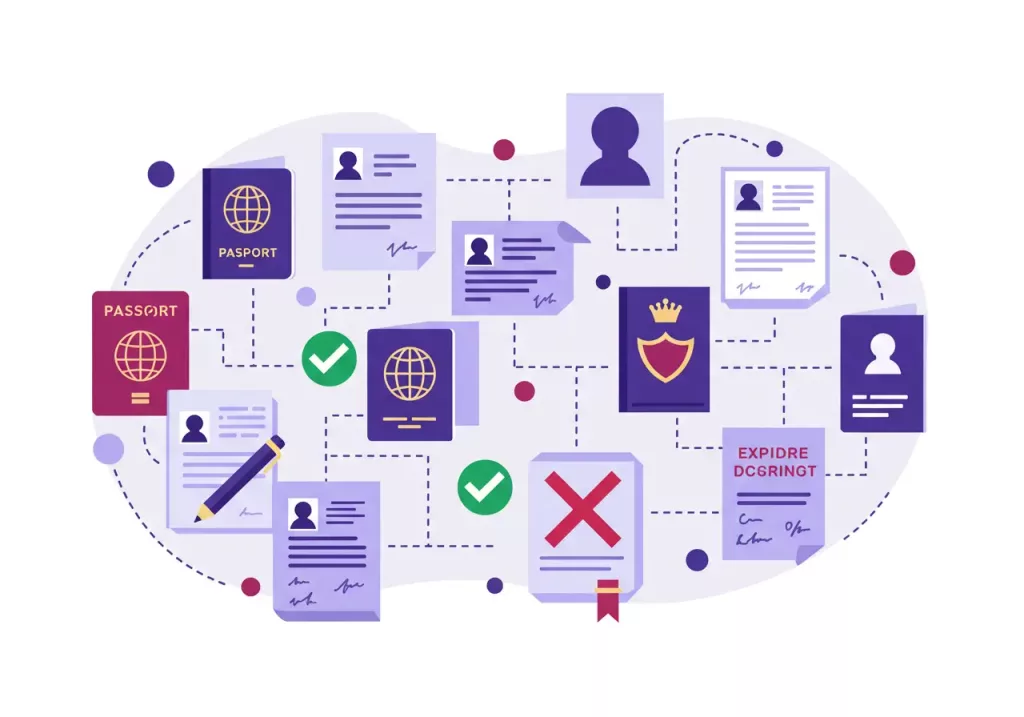
Level 2 courses cover qualifications roughly equivalent to GCSE grades A* to C / 9 to 4 and often include vocational qualifications or Functional Skills. Most level 2 courses funded by the government require:
- One primary form of valid photo ID as listed above (passport or driving licence preferred)
- Proof of current address such as recent utility bills, bank statements, or council tax bills
- Documentation showing previous qualifications if applicable, to confirm funding eligibility (e.g., you cannot repeat a qualification you already hold funded by the government)
Fully Funded Courses
For fully funded course opportunities, which are often more competitively allocated due to limited government funding, additional documents may be needed:
- Proof of income or benefits receipt, such as Universal Credit statements, to verify low-income status for funding priority
- Employer agreements or contracts if the course is employer-sponsored or part of an apprenticeship
- Additional consent or parental consent forms, in some cases for younger applicants
Preparing these documents ahead can avoid delays or loss of your place on a fully funded program.
How to Verify Your ID Documents Meet Requirements
Contact Your Training Provider
Before applying, always consult the official provider website or call their admission office to get an up-to-date list of acceptable ID and supporting documents for their government funded courses.
Use Government Portals and Checkers
Some government portals and course application websites list eligibility conditions, including document requirements. For example, the National Careers Service or local college websites may show detailed instructions for submitting ID during enrolment for level 2 courses or fully funded course programs.
What to Do If You Lack Traditional IDs
If you don’t have a traditional ID like a passport or driving licence:
- Ask your provider if they accept alternative documents or affidavits.
- Local councils often provide letters or confirmation of identity for homeless or disadvantaged learners.
- Explore replacing lost or expired documents as early as possible.
Common Problems with ID and Document Solutions
Lost or Expired Documents
Lost passports or expired IDs are common reasons for application issues.
- Renew passports early online via the UK Passport Service with standard or expedited options.
- Renew driving licences through the DVLA website or in person at Post Offices.
Proof of Address Difficulties
If you’ve recently moved or don’t have utility bills in your name, use official government correspondence or bank statements dated within the last three months. In special cases, letters from housing authorities or social services may be acceptable.
Non-UK or EU Citizens
Make sure your visas, residence permits, and bio-metric cards are current and valid. Expired documents can lead to disqualification from government funded courses.
Step-by-Step Guide to Applying for a Fully Funded Course with Proper ID
- Research the Course: Identify your ideal level 2 courses or fully funded course options and check their specific ID requirements.
- Collect Documents: Gather your passport/driving licence, proof of local address, benefits documentation (if applicable), and any prior qualification certificates needed.
- Contact the Provider: Confirm all required documents and ask any clarifying questions to avoid surprises.
- Fill Out the Application: Complete the form online or by paper, attaching copies or originals of the required ID documents as instructed.
- Prepare for Verification: Attend interviews or assessments where your ID and documents will be checked again in person or via video call.
- Receive Confirmation: Once verified, you’ll be enrolled and begin your government funded course journey with peace of mind.
Conclusion
Having valid and accepted ID documents is non-negotiable when applying for government funded courses in England, particularly for level 2 courses or fully funded course programs. Understanding which documents count and preparing them ahead ensures a smoother application process and a better chance of securing a place.
Always verify with your training provider to get the latest document requirements and seek help early if you face document issues.
Having your valid ID and relevant documents ready and verified ahead is the key to a stress-free application for a government funded course, opening doors to valuable level 2 courses and fully funded course opportunities.
Start gathering your documents today and talk to your local training provider about the next step toward your learning goals.
Found this helpful? There’s so much more to discover. Below, you’ll find more guides and tips designed to support your learning goals and give you even greater clarity as you explore new opportunities.


Learn more and apply today at www.myfreecourse.co.uk
Disclaimer: This content is for informational purposes only and does not constitute formal advice. Course availability, funding criteria and eligibility requirements are subject to change. Please visit MyFreeCourse.co.uk or contact us directly for the most up-to-date information.
For extra help or questions, please contact us at [email protected].
MyFreeCourse.co.uk supports you with fully funded qualifications, supportive tutors and flexible learning, so you can start helping others, one step at a time.
FAQs
Q: What if I don’t have a passport or driving licence?
A: Providers may accept birth certificates combined with proof of residency. Contact your provider for alternatives.
Q: Are photocopies or digital scans acceptable for ID?
A: Originals are usually required, but some providers temporarily accept verified digital copies.
Q: Can an employer verify my ID?
A: Occasionally, yes, especially for apprenticeship-funded courses. Check with your provider.
Q: What happens if my documents don’t meet requirements?
A: Your application may be delayed or rejected until proper ID is provided.
Q: Can I get help replacing lost or expired IDs?
A: Yes. UK government websites provide clear instructions and expedited services for renewing passports and driving licences.